China Best Auto Connectors for Reliable Connectivity Solutions?
In today's automotive industry, the reliability of connections is paramount. Auto connectors play a crucial role in ensuring that various components function seamlessly. With the rapid advancement of electric and autonomous vehicles, the demand for high-quality auto connectors is increasing. Manufacturers face pressure to provide products that not only meet performance standards but also ensure long-term durability.
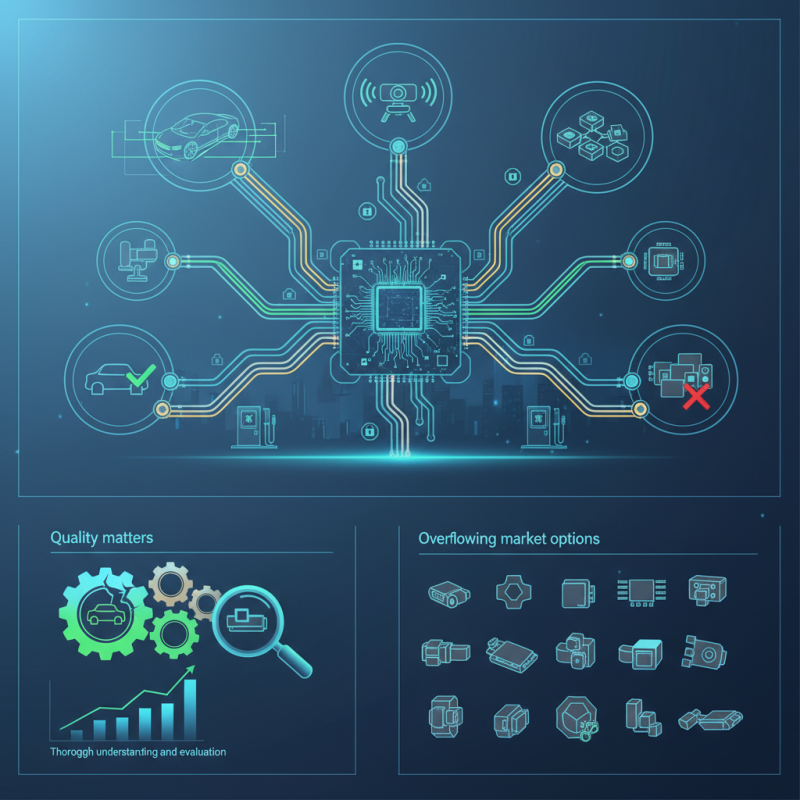
Quality matters in auto connectors. Subpar components can lead to system failures and costly repairs. Many vehicles today rely heavily on electrical systems; even a minor connection issue can have significant consequences. The challenge lies in identifying connectors that are both efficient and durable in various conditions.
Moreover, the market is overflowing with options. Not all auto connectors are built the same. Some may offer innovative designs but might not have the necessary testing behind them. It's essential to evaluate connectors based on performance metrics. Ultimately, finding the best auto connectors involves more than just picking a brand; it requires a thorough understanding of each component's reliability and application.
China's Auto Connector Market: An Overview of Current Trends and Growth
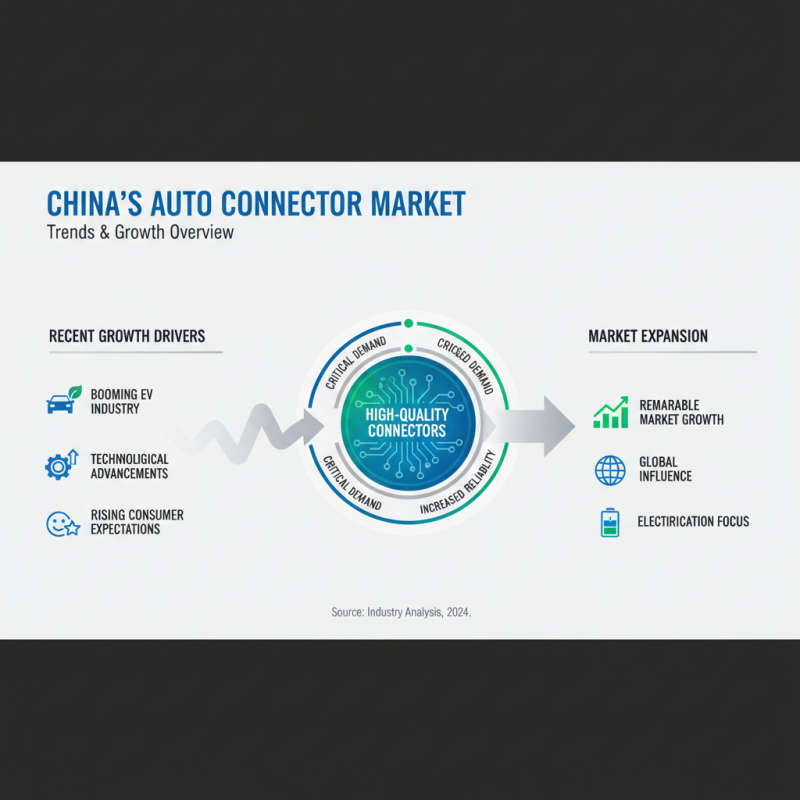
China's auto connector market has seen remarkable growth in recent years. This is largely due to the booming automotive industry. With increased demand for electric vehicles, the need for high-quality connectors is more critical than ever. Key factors driving this growth include advancements in technology and rising consumer expectations.
The automotive industry in China is rapidly evolving. Manufacturers are focusing on lightweight materials and compact designs. This shift requires auto connectors to meet new specifications, enhancing reliability and performance. However, challenges remain in quality control. Ensuring every connector meets rigorous standards is vital but often overlooked in production processes.
Innovation plays a crucial role in this market. Companies are exploring new materials that offer better conductivity and durability. Nonetheless, not every innovation has been successful. Some connectors still face issues like overheating or corrosion. Continuous improvement is necessary to achieve better solutions and satisfy global standards. Companies must reflect on these challenges to enhance product reliability and safety in a competitive environment.
Key Players in China's Automotive Connector Industry: Who Leads the Market?
China’s automotive connector industry is rapidly evolving. Key players are vital for ensuring reliable connectivity solutions in vehicles. By 2025, the automotive connector market in China is projected to reach USD 10 billion, reflecting a robust growth rate of 7% annually.
Leading companies in this sector focus on innovation and quality. They invest heavily in R&D to keep up with advancements in electric vehicles and autonomous driving technologies. Data from industry reports indicate that about 40% of connectors in vehicles are used for safety-critical applications. This highlights the essential role of connectors in vehicle performance and safety. However, not all players can maintain consistent quality. Some struggle with production scalability and supply chain stability.
One of the critical challenges faced by manufacturers is meeting the stringent standards set by the global automotive industry. Reports show that approximately 30% of companies in this sector fail initial quality audits. This raises questions about reliability and the ability to adapt. Companies need to continually improve their processes to avoid setbacks and enhance their market position. The ongoing evolution in vehicle technology also demands frequent updates and innovations in connector design and functionality.
Technical Specifications: Essential Features of Reliable Auto Connectors
When choosing auto connectors, technical specifications are crucial. Reliable connectors need to withstand challenging environments. Look for connectors made from durable materials. They should resist heat, moisture, and corrosion. This ensures longevity in various conditions.
Electrical performance is another critical factor. Ensure connectors have low resistance and good conductivity. They should support the current and voltage demands of the application. Compatibility with different wiring systems is essential too. Always check the pin configurations before making a decision.
Tip: Before installation, clean the connector surfaces. This improves the connection quality and reduces the risk of failure.
Pay attention to the size and weight of connectors. Compact designs can save space and reduce overall vehicle weight. However, don’t sacrifice strength for size. Overly lightweight connectors may be less durable.
Tip: Consider using sealing mechanisms. These can prevent moisture ingress and increase reliability.
In the end, prioritizing the right technical specifications matters. Evaluate connectors carefully. Even small oversights can lead to significant issues down the line.
Trends Driving Demand for High-Performance Connectors in China’s Auto Sector
The auto sector in China is evolving rapidly, pushing the demand for high-performance connectors. According to a recent market report from ResearchAndMarkets, the automotive connector market size in China is projected to reach $9 billion by 2025, growing at an annual rate of 8%. This growth is largely driven by the increasing adoption of electric vehicles (EVs), advanced driver-assistance systems (ADAS), and the Internet of Vehicles (IoV).
As automobile manufacturers focus on sustainability, lightweight materials are becoming more common. Connectors made from advanced materials can significantly reduce weight while maintaining performance. The challenge lies in balancing strength and flexibility. A high-performance connector needs to withstand various environmental factors like temperature extremes and humidity. However, not all connectors meet these stringent requirements, leading to potential reliability issues.
Furthermore, the demand for connectors is also shaped by consumer preferences for smart features. Vehicles today require more wiring to support connectivity and infotainment systems. The complexity increases the risk of connectivity failures. Companies must prioritize quality to ensure reliability. Regular testing and innovation will be vital in overcoming these challenges.
Impact of Emerging Technologies on Automotive Connector Innovations in China
The automotive industry in China is undergoing a transformative phase. Emerging technologies such as electric vehicles (EVs) and autonomous driving are redefining connectivity requirements. As vehicles become smarter, the demand for innovative connectors has surged. These connectors ensure reliable communication between various electronic components, which is critical for overall performance.
New materials and design approaches are shaping the development of automotive connectors. For instance, advanced polymers and lightweight metals are being utilized to enhance durability and performance. However, challenges remain. Some manufacturers struggle to balance cost and quality. It's important for companies to invest in research and development while maintaining affordability.
Moreover, as the industry shifts towards sustainability, the demand for recyclable materials presents another hurdle. Striking the right balance between functionality and environmental considerations is a topic worth exploring. Ultimately, the evolution of automotive connectors reflects broader trends in technology and sustainability. Addressing these challenges will be key to future innovations.
Impact of Emerging Technologies on Automotive Connector Innovations in China