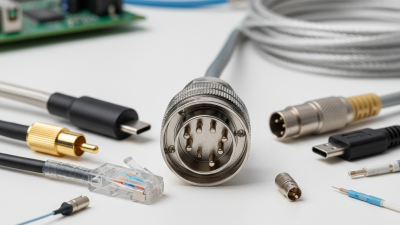
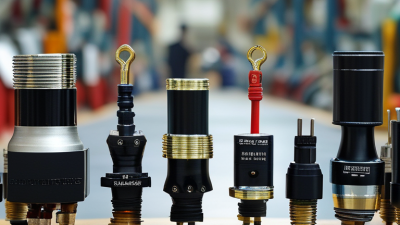
How to Choose the Best Cable Wire Connectors for Your Needs?
Choosing the right Cable Wire Connectors is crucial for both professional and DIY projects. The global connector market is projected to reach over $100 billion by 2026, indicating the growing importance of reliable connections in various applications. Inaccurate selection can lead to system failures, increasing costs and safety hazards.
Industry reports highlight that nearly 30% of electrical failures are due to poor connections. This underscores the need for understanding different types of connectors, such as crimp, solder, and screw-on. Each type offers unique advantages and limitations, making informed choices vital.
Additionally, the diversity in cable wire connectors can be confusing. Factors such as environmental conditions, voltage requirements, and connector standards must be considered. Neglecting these details could result in suboptimal decisions and project delays. Identifying the best connectors tailored to your specific needs enhances performance and longevity.
Understanding Different Types of Cable Wire Connectors
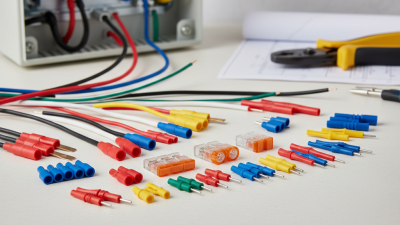
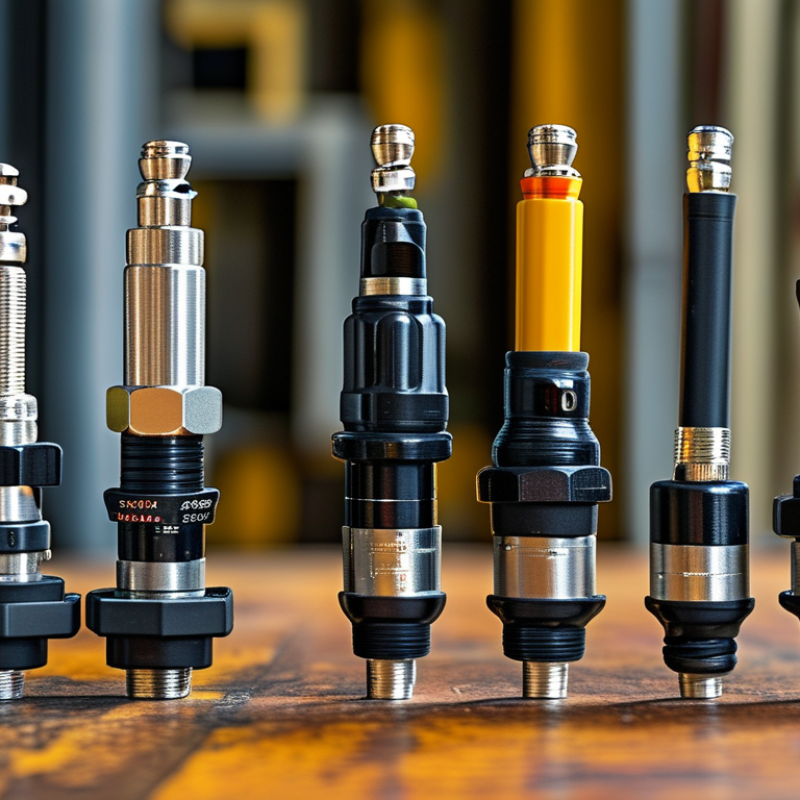
When selecting cable wire connectors, understanding the different types is crucial. There are several categories to consider. Butt connectors are commonly used for joining two wires together. They are simple and effective but can corrode if not properly insulated. On the other hand, heat shrink connectors provide additional protection against moisture and are ideal for outdoor projects.
Another type of connector is the terminal block. They allow for easy connections and disconnections. However, they can be bulkier and may require more space. Depending on the project requirements, balancing size and functionality is vital. For home installations, ring and spade connectors offer reliability, but their effectiveness hinges on proper crimping techniques. Improper handling can lead to faults.
Mismatching connectors to cables can create problems. Always check specifications before use. A comprehensive understanding of each connector type helps in making informed decisions. Sometimes, trial and error is necessary. Learning from mistakes enhances future projects. Each connection you make builds confidence and expertise.
How to Choose the Best Cable Wire Connectors for Your Needs?
| Type of Connector |
Advantages |
Disadvantages |
Best Use Cases |
| Screw Terminal Connectors |
Easy to use and reliable connections |
Can loosen over time |
Home wiring and electrical panels |
| Crimp Connectors |
Strong and durable connections |
Requires special tools |
Automotive and outdoor applications |
| Heat Shrink Connectors |
Waterproof and insulated |
More complex installation |
Marine and outdoor electrical systems |
| Butt Connectors |
Quick and easy to use |
Less secure than other types |
Low-voltage applications |
| RJ45 Connectors |
Standard for networking |
Limited to networking applications |
Ethernet cables |
Evaluating Your Connection Needs Based on Application
When evaluating your connection needs, consider the specific application. Different projects require various types of cable wire connectors. For instance, indoor vs. outdoor settings offer unique challenges. Outdoor environments need weather-resistant materials, while indoor setups can utilize standard connectors.
Assessing your project’s complexity is essential. Simpler tasks may require basic connectors, while complex systems might call for specialized hardware. Take the time to identify compatibility with existing wires. Mismatched connectors can lead to failures or hazards.
Another aspect to ponder is the frequency of use. If you're connecting and disconnecting often, a more durable option is advisable. Fragile connectors can deteriorate quickly. Reflect on your needs to avoid poor choices. Understand that the right connector makes a significant difference in performance and longevity.
How to Choose the Best Cable Wire Connectors for Your Needs?
Key Factors to Consider When Choosing Cable Wire Connectors
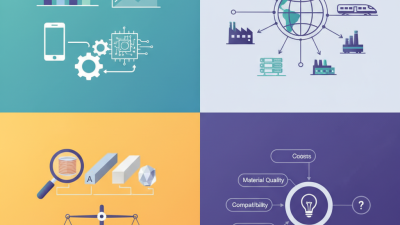
When selecting cable wire connectors, several key factors should influence your decision. Compatibility is crucial. Ensure the connector matches the wire gauge and type. Using mismatched components can lead to connection failures. It’s also important to consider the environment where the connector will be used. Will it be exposed to moisture or extreme temperatures? Specific connectors are designed for these conditions.
Another factor to think about is the type of connection you need. Some connectors offer a quick and easy twist-on option, while others require soldering. Each method has its pros and cons. Ease of use can sometimes outweigh the need for a more secure connection. Therefore, don't hesitate to examine the specifics of each option carefully.
Durability plays a significant role too. If your project requires high reliability, investing in higher quality connectors makes sense. Cheaper options may save money upfront but can lead to failures later. Analyze your priorities and reflect on what is truly essential for your wiring needs.
Material and Durability: Selecting the Right Connector
Choosing the right connector material is crucial for ensuring the longevity and reliability of your wiring projects.
Common materials include copper, aluminum, and various alloys.
Copper connectors generally offer superior conductivity, making them ideal for high-performance applications.
However, they can corrode over time if not properly insulated.
Aluminum, while lighter and often cheaper, may not provide the same level of conductivity.
It’s important to consider the environment where the connectors will be used. Will they be exposed to moisture or extreme temperatures?
Durability is another vital factor. Look for connectors that can withstand physical stress, especially if they will be subject to movement or vibration.
The thickness of the metal, the quality of insulation, and even the manufacturing process can affect how long your connectors last.
Sometimes, what seems sturdy might fail under real-world conditions.
Some may choose connectors based on price alone, only to regret it later when reliability issues arise.
Selecting connectors demands careful consideration of both material and intended usage to ensure they meet your needs effectively.
Always reflect on the long-term implications of your choices.
Tips for Proper Installation and Maintenance of Connectors
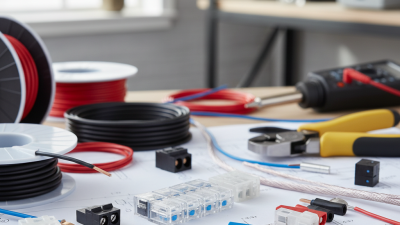
Choosing the right cable wire connectors is important, but installation and maintenance are crucial too. Proper installation ensures safety and functionality. Start with clean, dry surfaces. Dust and moisture can create issues. Strip the wires correctly to avoid frays. Use the right tools and avoid using excessive force, as this can lead to damage.
After installation, regular checks are essential. Look for signs of wear or corrosion. Over time, connectors can degrade due to environmental factors. If they appear discolored or loose, it might be time for replacement. Using heat shrink tubing can help protect connections from moisture.
Documentation can be helpful. Keep a maintenance log to track when you last checked or replaced connectors. Knowing the lifespan of your connectors informs better decisions in the future. Learning from previous installations can improve your technique. Mistakes happen, like using incompatible connectors. Reflecting on these experiences can enhance skills over time.