How to Choose the Right Wire Electrical Connector for Your Needs?
Choosing the right Wire Electrical Connector is crucial for ensuring the safety and effectiveness of your electrical projects. With numerous options available, it can feel overwhelming. Understanding your specific needs can simplify the selection process.
Each type of wire connector serves a different purpose. For instance, splices can join two wires, while terminal blocks provide a secure point for connecting multiple wires. It's important to consider the environment where the connector will be used. Factors such as moisture, heat, and vibration can impact performance.
Reflecting on past experiences can guide your choice. Perhaps you’ve faced issues with connectors that corroded or failed prematurely. This reinforces the need for quality over quantity. Research and seek expert advice are often needed. The right Wire Electrical Connector not only enhances your project's reliability but also ensures a safer workspace.
Understanding Different Types of Wire Electrical Connectors
When selecting the right wire electrical connector, understanding the types available is crucial. Connectors come in various shapes and sizes, each serving specific functions. For instance,
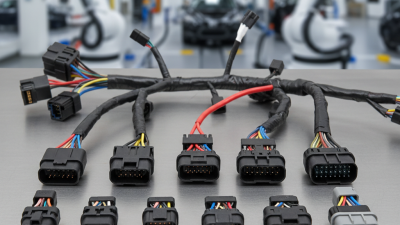
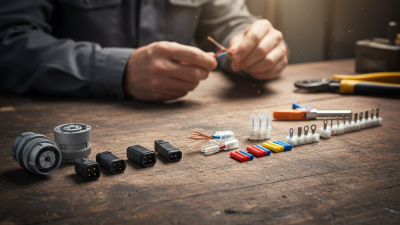
butt connectors join two wires end-to-end, providing a secure connection. They are commonly used in automotive and household applications. Then there are terminal blocks, which allow multiple wires to connect in one place, great for organized and compact setups.
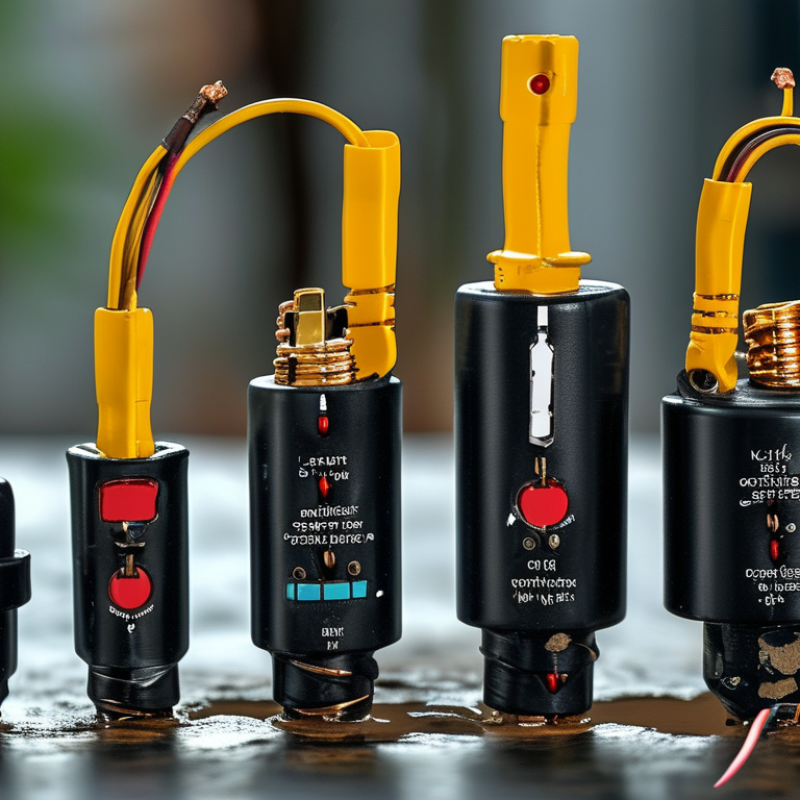
Additionally, there are heat-shrink connectors, ideal for protecting connections from moisture and corrosion. Their insulation shrinks when heated, creating a tight seal. However, installation can be tricky—too much heat may damage the wire. While choosing connectors, consider not just their type but also the gauge of the wire. A mismatch can lead to connection failures. Always evaluate the environment where the connections will be made. Outdoor applications, for instance, require more robust materials to endure weather conditions. Understanding these details ensures that your connections are safe and reliable.
Evaluating the Electrical Specifications and Ratings
Choosing the right wire electrical connector is crucial for ensuring safety and functionality in your electrical projects. When evaluating the electrical specifications and ratings, consider factors such as voltage, amperage, and insulation type. These elements determine whether a connector is suitable for your specific needs.
Amperage ratings indicate how much current a connector can handle. Choosing a connector with a higher rating than needed can provide a safety buffer. Voltage ratings are equally important, as using a connector below its rating can lead to overheating or failure. Pay attention to insulation materials, which affect durability and resistance to environmental factors.
Tips: Always check compatibility with the wires you're using. Mismatched connectors can lead to poor connections. Look for connectors designed for the specific environment, whether it's wet, dry, or subject to vibration. Regularly inspect connections for signs of wear. This practice helps maintain reliability over time. Remember, even small connectors can fail if not chosen carefully.
Considerations for Wire Size and Compatibility
Choosing the right wire electrical connector hinges on wire size and compatibility. It’s essential to know the gauge of your wires. Wires come in various sizes, measured in American Wire Gauge (AWG). Thicker wires, like 10 AWG, carry more current than thinner ones, such as 18 AWG. This directly impacts the type of connector you should select. For instance, using a connector rated for 10 AWG on a lighter wire may compromise performance.
Compatibility is a key factor. Different connectors serve distinct purposes. Some are designed for high-voltage applications, while others work in low-voltage scenarios. It is important to consider insulation types as well. Using a connector with incompatible insulation can lead to overheating or shorts.
In practice, you might find that your connector doesn’t fit as expected. Perhaps it slips or feels loose. This mismatch can lead to unreliable connections. During installations, double-check the wire gauge and connector ratings when making choices. Regular reviews of your connectors can also improve safety and performance.
Assessing Environmental Factors and Durability Requirements
When selecting wire electrical connectors, environmental factors play a crucial role. The connector's exposure to moisture, temperature fluctuations, and chemicals can affect its performance and longevity. For outdoor applications, connectors must withstand UV rays and extreme weather. Choosing materials with high corrosion resistance is essential in such environments. Plastic connectors might seem adequate, but metals often provide superior durability.
Durability requirements depend on usage. In industrial settings, connectors face harsh conditions. Mechanical stress, vibration, and heat may lead to failure. It's vital to analyze the specific application. Sometimes, heavy-duty connectors are necessary, while lighter-duty options may suffice in less demanding contexts. Always consider the installation environment. Inadequate choices can result in frequent replacements, leading to higher costs over time.
A common mistake is underestimating the connector's lifespan. Users often assume that all connectors are created equally. This assumption can lead to issues down the line. If a connector deteriorates quickly, it reflects poor decision-making. Regular reviews of connector performance can reveal critical insights. Understanding the environment and proper choices will enhance reliability and reduce maintenance efforts.
Environmental Factors and Durability Requirements for Wire Electrical Connectors
Choosing Between Soldered, Crimped, and Plug Connectors
When selecting the right wire electrical connector, the choice often narrows down to soldered, crimped, and plug connectors. Each type has its unique advantages and limitations. Crimped connectors are popular for their ease of use and reliable performance. According to industry reports, up to 70% of electrical engineers prefer crimping due to its speed and consistency. Proper crimping techniques ensure a strong mechanical bond, minimizing the risk of connection failure.
Soldered connectors provide excellent conductivity and are ideal for permanent connections. However, they require skill to execute correctly. Improper soldering can lead to weak joints and heat damage. A survey indicated that 40% of DIY enthusiasts have had issues with soldered connections, often underscoring the importance of practice and quality control. Plug connectors offer user-friendly benefits, allowing quick disconnection and reconnection. Their downside includes a higher cost and potential for wear over time.
Choosing the right type involves trade-offs. Consider the application, the environment, and long-term maintenance. Understanding these details can help avoid costly mistakes in wiring projects. Balancing reliability and functionality is crucial.
How to Choose the Right Wire Electrical Connector for Your Needs?
| Connector Type |
Usage |
Advantages |
Disadvantages |
Best Applications |
| Soldered Connectors |
Used for permanent connections |
Strong and durable, excellent electrical connection |
Time-consuming to install, requires skill |
DIY electronics, audio equipment |
| Crimped Connectors |
Used for semi-permanent connections |
Quick to install, good for mass production |
Requires special crimping tools |
Automotive, commercial lighting |
| Plug Connectors |
Used for easily connect/disconnect |
Convenient, easy to use, versatile |
May not provide as strong a connection as soldered |
Home appliances, modular systems |