Top Circuit Board Connectors to Enhance Your Electronics Buyers Guide?
In the world of electronics, the importance of quality Circuit Board Connectors cannot be overstated. These essential components facilitate communication between various parts of electronic devices. A reliable connector enhances performance and ensures longevity. Choosing the right connector is not always straightforward, as options abound in the market.
Many users overlook the specifics of Circuit Board Connectors. This oversight can lead to compatibility issues. It can also cause device failures, wasting time and resources. Understanding the different types and their applications is crucial. Each connector serves a unique purpose, affecting the overall function of your project.
As you explore this buyer's guide, keep in mind the critical role of Circuit Board Connectors. Quality matters, and selecting the wrong connector can be costly. Dive into the details provided to empower your next electronics project. Reliable connectors can make all the difference in achieving your design goals.
Understanding the Importance of Circuit Board Connectors in Electronics
Circuit board connectors are vital in electronics. They serve as the bridges between various electronic components. A well-designed connector ensures effective signal transmission and power distribution. Poor connectors can lead to issues like signal loss or device malfunction. This underscores the necessity of choosing the right type based on application needs.
The selection of circuit board connectors involves understanding specifications. Different connectors support varying currents and voltages. It's crucial to match the connector type with the overall design of the circuit board. Not every connector fits every application. For instance, a robust environment may require connectors with better resistance to shock and vibration. Choosing the wrong connector can lead to project delays and increased costs, demanding careful consideration.
There’s also a learning curve in the selection process. Users may overlook key factors like space constraints or environmental conditions. This could result in choosing inefficient connectors. Reflection on past projects helps in refining this choice. Developing a keen insight into connector specifications ensures better performance and reliability in future designs.
Types of Circuit Board Connectors: A Comprehensive Overview
Circuit board connectors are essential for electronic devices. They enable communication between various components. Understanding the different types can enhance your design choices.
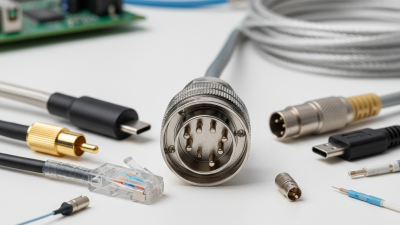
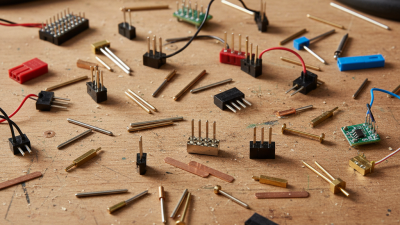
There are several popular connectors to consider. For example, headers are ideal for easy connections. They come in various pin counts and shapes. Another option is the socket connector, which provides a secure fit. It is particularly useful when components need to be replaced.
When selecting connectors, consider your project's specific needs. Pay attention to factors like size and orientation. Also, think about the electrical requirements. Ensure that the connectors can handle the necessary current.
Select connectors that suit your design's environment. Some connectors are better for high temperatures or moisture. This can influence the longevity and reliability of your device.
Remember, not all connectors are created equal. Some may struggle under specific conditions or usage. It's crucial to test connectors in real-world situations. This helps ensure that your electronic products meet high standards of performance and durability.
Top Circuit Board Connectors to Enhance Your Electronics Buyers Guide
| Connector Type |
Number of Pins |
Current Rating (Amps) |
Voltage Rating (Volts) |
Connector Style |
| Header Connector |
2-50 |
1-10 |
50-250 |
Straight/Right Angle |
| Socket Connector |
2-50 |
1-20 |
50-300 |
Vertical/Horizonal |
| DIN Connector |
3-9 |
1-30 |
30-600 |
Plug and Socket |
| USB Connector |
4-24 |
1-5 |
5 |
Type A/B/C |
| RCA Connector |
1 |
1-10 |
12-40 |
Male/Female |
Key Features to Consider When Choosing Circuit Board Connectors
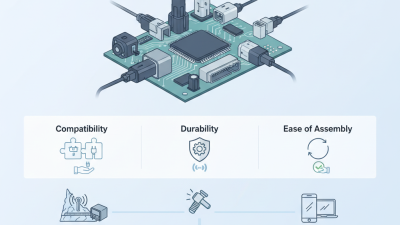
When selecting circuit board connectors, the key features play a pivotal role in performance and reliability. First, consider the pin count and layout. Different applications require varying numbers of connections. A mismatch can lead to circuit issues, limiting device functionality. Think about how the connector will be used in your design.
Next, focus on environmental resistance. Connectors may face dust, moisture, or extreme temperatures. Choosing connectors with appropriate ratings ensures longevity. Look for materials that resist corrosion. This can significantly enhance the durability of your electronics.
Finally, assess the mounting options. Through-hole or surface-mount connectors each have distinct applications and installation processes. If your design is compact, surface-mount connectors might be ideal. However, they can be more complex to work with. Understanding your project's specific needs is crucial for choosing the right connectors, as each decision impacts overall performance.
Applications of Circuit Board Connectors in Modern Electronics
Circuit board connectors play a critical role in modern electronics. They facilitate electrical connections between various components, ensuring efficient signal and power transmission. These connectors come in different types, such as through-hole and surface mount, and each has its unique advantages. For instance, surface mount connectors offer compact designs, making them ideal for space-constrained applications. However, their smaller size can make soldering and assembly more challenging, which requires expert handling.
In consumer electronics, the use of connectors is pervasive. Devices like smartphones and laptops rely on robust circuit board connectors for a seamless experience. A poor connection can lead to malfunctions or complete failures. In automotive electronics, connectors are essential for various systems, like infotainment and safety features. Nevertheless, as technology evolves, so do the challenges with connectors, including durability under extreme conditions. Some designs may not offer adequate resistance to vibrations or temperature fluctuations, leading to potential failures.
Understanding the specific applications of connectors can enhance design choices in electronic projects. The selection process can often feel overwhelming. Engineers and designers must consider parameters like size, reliability, and environment. Each choice impacts functionality and longevity. This makes the role of circuit board connectors both vital and complex in today's technology landscape.
Top Circuit Board Connectors in Modern Electronics
This chart illustrates the frequency of usage of various types of circuit board connectors in modern electronics. USB and power connectors are the most prevalent, reflecting their integral role in contemporary digital devices.
Best Practices for Maintaining and Installing Circuit Board Connectors
Maintaining and installing circuit board connectors requires attention to detail and adherence to best practices. The right installation techniques can significantly affect the performance and reliability of electronic devices. According to a report by IPC, improper connector installation accounts for about 30% of electronic failures. This statistic highlights the necessity for proper training and adherence to installation specifications.
Regular maintenance is equally critical. Dust and contaminants can deteriorate contact points. A study indicated that routine maintenance reduces the risk of failure by nearly 40%. Users should clean connectors with appropriate solvents and inspect for physical damage. Periodically tightening screws and connections can prevent future issues. It's important to remember that while technology evolves, the core principles of maintenance remain unchanged.
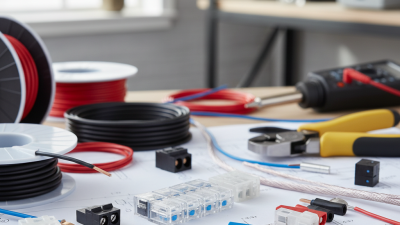
The choice of tools can impact connector installation and longevity. Using the wrong tool may cause stress on connectors, leading to premature failure. Always use tools designed for the specific type of connector in use. Inadequate attention to detail during installation could result in significant operational downtime. Fine-tuning your approach based on past experiences can yield better outcomes in future projects.