Top 10 Wire Connecters Buyers Guide for Global Procurement?
In the ever-evolving field of electrical connectivity, wire connectors stand out as vital components. Industry expert John Smith, a leading engineer at ConnectTech Solutions, once remarked, "Choosing the right wire connectors is crucial for ensuring reliable connections." His insight reflects the importance of understanding this essential product.
Wire connectors come in various forms, catering to different needs. The right choice can make all the difference in performance and safety. Many buyers may overlook unique requirements, leading to inefficient or potentially hazardous setups. As the market grows, selecting quality connectors is more complex than ever.
Navigating the diverse landscape of wire connectors requires careful consideration. Uninformed choices can result in wasted resources or operational failures. Therefore, understanding specifications, materials, and applications is essential for effective procurement. With this guide, we aim to help buyers make informed decisions in the critical world of wire connectors.
Understanding Wire Connectors: Types and Applications
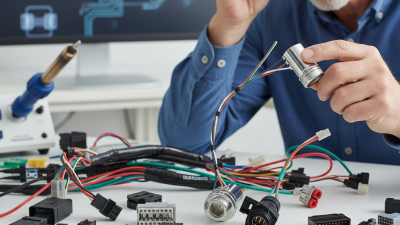
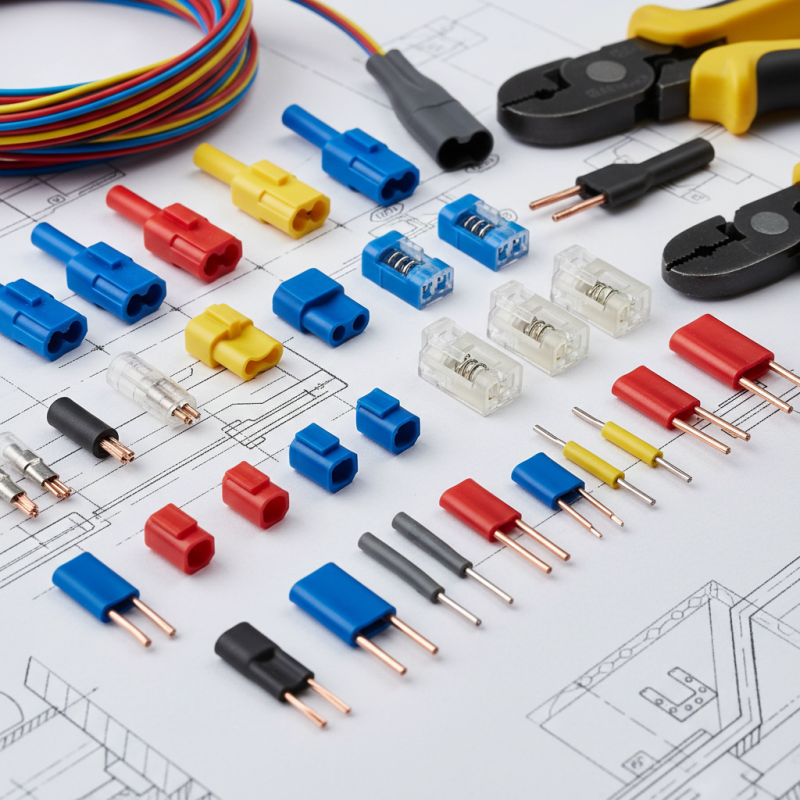
Wire connectors are essential in various electrical applications. They join two or more wires together, ensuring a secure and reliable connection. From residential to industrial uses, understanding different types of connectors is crucial for effective procurement.
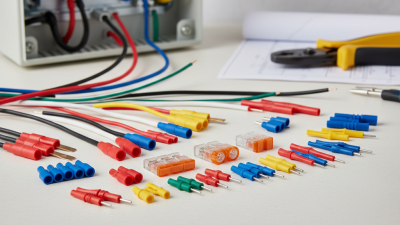
Connector types vary widely. For example, there are butt connectors, which enable the joining of two wire ends. These connectors are common in automotive wiring. Then there are terminal blocks, ideal for connecting multiple wires in control panels. Each type serves specific functions and is suited for different environments. Selecting the wrong one can lead to failure or safety hazards.
Applications of wire connectors span multiple industries. In construction, they ensure power delivery in lighting systems. In telecommunications, they maintain signal integrity in data networks. While choosing connectors, consider material type, wire gauge, and insulation requirements. Mismatched specifications may cause connectivity issues. Always prioritize quality over cost to avoid long-term problems.
Top Manufacturers and Brands of Wire Connectors Worldwide
When it comes to wire connectors, selecting the right manufacturer is crucial. Global data indicates that the wire connector market is expected to reach $10.4 billion by 2026, growing at a CAGR of 5.2%. This growth reflects the rising demand for efficient electrical solutions across various industries. Notably, the automotive and construction sectors are driving this trend, pushing manufacturers to innovate continually.
Key players in the wire connector market emphasize quality and reliability. Many companies invest heavily in R&D to enhance product durability and ease of use. Statistics show that approximately 70% of industry professionals prioritize sourcing from reputable brands known for their stringent quality control measures. It’s worth noting that challenges persist; some manufacturers struggle to keep pace with emerging technologies, which can leave gaps in their product lines.
Additionally, regional differences in demand shape the market significantly. North America and Europe lead in consumption, while Asia-Pacific shows rapid growth potential. Companies must adapt to changing market conditions and address consumer preferences. As the landscape evolves, staying informed about the top manufacturers and their innovations becomes essential for procurement professionals.
Best Practices for Sourcing Wire Connectors Globally
Sourcing wire connectors globally requires a strategic approach. Begin by assessing your specific needs. Determine the type, size, and specifications required for your projects. This clarity helps in communicating effectively with suppliers. Research potential suppliers to check their reliability and experience. Look for established manufacturers with a proven track record.
Building relationships is crucial. Engage with suppliers early in the process. Share your requirements, and ask for their understanding of market trends. This can yield valuable insights. Also, consider visiting production facilities if possible. A firsthand look can reveal aspects that online communication may miss.
Quality assurance should be a priority. Request samples to evaluate product quality before making larger commitments. Establish clear criteria for quality checks. Remember, not all suppliers will maintain the same standards. Engaging in regular communication can help in identifying and resolving issues quickly. Be prepared to adapt your sourcing strategy based on feedback and market changes.
Future Trends in Wire Connectors Market and Technology
The wire connectors market is evolving rapidly due to technological advancements. According to a recent market report, the global wire connectors market is projected to reach $XX billion by 2027, reflecting a robust growth rate of XX%. This growth is driven by the increasing demand for energy-efficient solutions and automation in various industries.
More companies are seeking connectors that meet advanced requirements. For instance, the shift towards smart technologies requires connectors capable of handling higher data speeds and improved thermal performance. Industry analysts believe that advancements in materials, like improved plastics and metals, will play a pivotal role in enhancing the performance of these components. The future may see connectors integrating smart capabilities, such as monitoring and diagnostics, which could provide users with valuable real-time data.
Despite these advancements, the wire connectors market faces challenges. The complexity of modern electronic devices means that compatibility and standardization remain significant concerns. Additionally, supply chain disruptions caused by geopolitical tensions have highlighted vulnerabilities in the procurement of wire connectors. Such challenges compel companies to rethink their sourcing strategies, ensuring more reliable and resilient supply chains.
Top 10 Wire Connecters Buyers Guide for Global Procurement
| Connector Type |
Material |
Current Rating (A) |
Voltage Rating (V) |
Temperature Rating (°C) |
Application Area |
| Wire Crimp Connectors |
Copper |
20 |
250 |
105 |
Automotive |
| Butt Connectors |
Aluminum |
30 |
600 |
85 |
Industrial |
| Splice Connectors |
Brass |
15 |
300 |
90 |
Telecommunications |
| Ring Connectors |
Copper |
10 |
600 |
105 |
Electrical |
| Blade Connectors |
Tin-Plated Copper |
25 |
150 |
85 |
Consumer Electronics |
| Solder Connectors |
Copper |
5 |
50 |
80 |
Lighting |
| Connectors with Insulation |
Polymer |
20 |
240 |
100 |
Household Appliances |
| Terminal Blocks |
Nylon |
35 |
600 |
120 |
Industrial Equipment |
| Capacitive Connectors |
Ceramic |
10 |
50 |
70 |
Specialized Applications |